
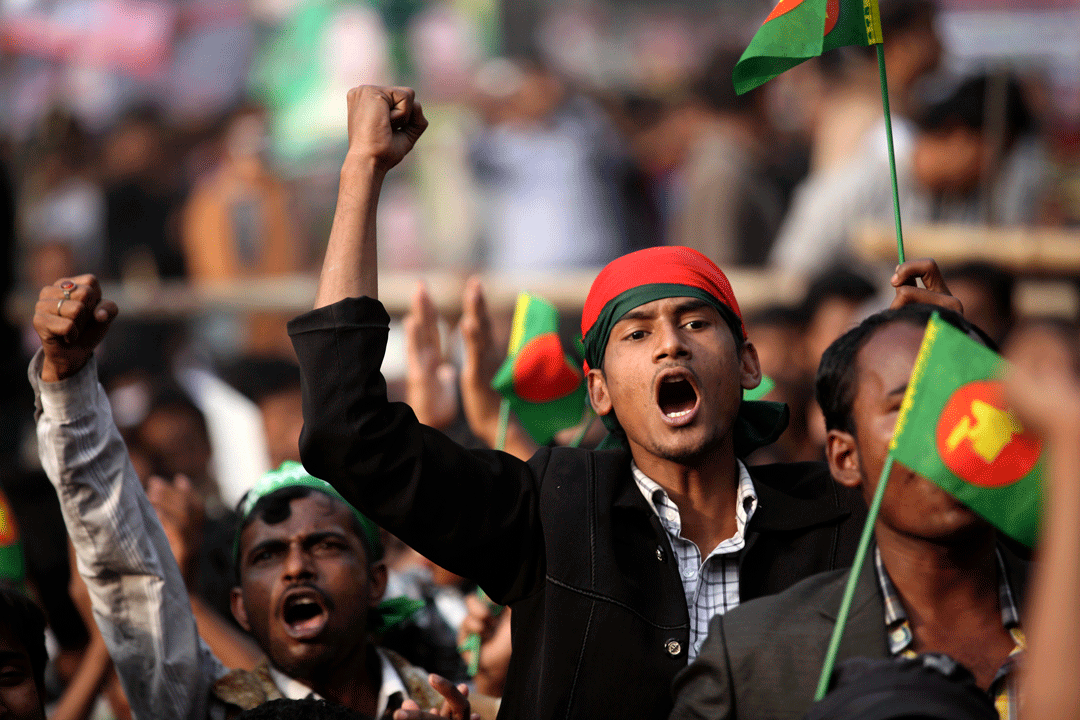
The document is based on an interview with ousted Bangladeshi Prime Minister Sheikh Hasina, conducted by The Indian Express from an undisclosed location in Delhi. It highlights her stance on the current political turmoil in Bangladesh following her removal from power.
Hasina’s Position on the Current Crisis
Sheikh Hasina expressed her desire to return to Bangladesh only after free, fair, and participatory elections are held. She accuses Prof. Muhammad Yunus, the Chief Advisor of the interim government, of orchestrating the crisis and promoting extremism under the guise of reform.
Nature of the Protests
Hasina claims that the initial student protests over civil service job quotas were peaceful but later hijacked by radical and foreign mercenaries, leading to violence, attacks on state institutions, and the freeing of prisoners. She insists her government acted lawfully and that Yunus’s faction transformed the unrest into violent rebellion.
Corruption and Economic Claims
Hasina denied corruption allegations against her regime, labeling them politically motivated. She defended her 15-year rule, citing 450% economic growth, poverty reduction, and major infrastructure development, while questioning Yunus’s unexplained wealth accumulation.
Relations with India
Sheikh Hasina emphasized India’s importance as Bangladesh’s closest ally, crediting New Delhi for its support during her exile. She criticized Yunus’s regime for undermining India-Bangladesh relations, disrupting trade and security cooperation, and allowing anti-India rhetoric to rise.
Accusations of Radicalisation
Hasina accused Yunus of empowering extremists, promoting religious intolerance, and attempting to alter Bangladesh’s secular constitution. She warned that the country’s inclusive and secular identity—central to its 1971 liberation—was under threat.
Economic and Social Setbacks
Under the interim regime, Hasina claims the economy has stagnated, investor confidence has fallen, and social harmony has eroded. She contrasts this with her administration’s success in poverty alleviation, women’s empowerment, and food security.
Message to the People and the International Community
Hasina urged her supporters to remain peaceful and believe in democracy. She expressed faith that Bangladesh’s resilient national spirit and the ideals of 1971 liberation would restore democracy and stability.
UPSC Relevance
- Paper II (GS2): Governance, International Relations, and Political Development in South Asia.
- Themes:
- Democratic transitions and legitimacy in South Asia.
- Role of external actors (India’s diplomatic engagement with neighbors).
- Rise of extremism and erosion of secularism in regional politics.
- Leadership crisis and governance challenges in developing democracies.